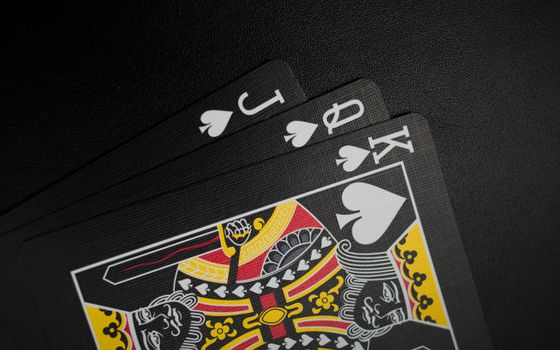
Gambling has fascinated humans for centuries, from ancient dice games to today’s high-tech online casinos. But what drives millions of people around the globe to place bets, spin reels, or wager on sports? The answer lies deep within our psychology. Understanding why we gamble—and sometimes why we can’t stop—requires exploring the brain’s reward systems, social influences, and the powerful pull of risk and reward. This article delves into the psychology of gambling, unraveling the hidden motivations and mental mechanisms behind our betting behaviors.
The Brain’s Reward System: How Gambling Hijacks Pleasure Pathways
At the core of gambling’s allure is the brain’s reward system, powered by the neurotransmitter dopamine. Dopamine is often called the “feel-good” chemical, released when we experience something pleasurable—like eating a delicious meal or winning a prize. Gambling, especially games with unpredictable outcomes, can trigger massive dopamine surges.
A 2011 study published in “Nature Reviews Neuroscience” found that gambling activates the same neural pathways as drugs like cocaine and alcohol. Even near-misses—outcomes that are close to a win—can release almost as much dopamine as actual wins. This explains why slot machines, with their frequent near-miss outcomes, are so addictive.
.png)
The unpredictability of gambling, known as “variable-ratio reinforcement,” is especially potent. Unlike a job where you’re paid for every hour worked, gambling rewards are random. You never know when the next win will come, making each bet feel exciting and full of possibility. This unpredictability keeps players coming back, hoping the next spin or hand will be the big one.
Risk, Reward, and the Thrill of Uncertainty
Why are humans drawn to uncertainty? Psychologists point to the concept of “risk-taking behavior,” which is part of evolutionary survival strategies. Taking risks allowed early humans to hunt, explore, and innovate. Today, gambling taps into that same thrill-seeking impulse.
A 2022 report from the UK Gambling Commission revealed that 42% of UK adults had gambled in the past month, with many citing “thrill” and “excitement” as key motivators. The anticipation of a possible win, rather than the win itself, is often the most exhilarating part.
Games like poker and blackjack offer a combination of skill and chance, giving players the illusion of control. This perceived control over outcomes increases engagement and risk, even when the odds are stacked against the player. The emotional highs from both risk and reward can reinforce repeated betting, sometimes leading to problematic behavior.
Social Influences: Peers, Culture, and the Fear of Missing Out
Gambling isn’t just a solitary pursuit—it is often a social affair. From poker nights with friends to watching sports in a crowded bar, gambling can serve as a bonding activity. Social acceptance of gambling has grown, especially with the rise of online betting platforms and mobile apps.
Peer pressure and cultural attitudes play significant roles. In countries like Australia, where over 70% of adults gamble annually, betting is woven into the cultural fabric, from “pokies” (slot machines) in pubs to Melbourne Cup betting pools. Social media and advertising amplify these pressures, frequently showcasing big wins, glamorous casino lifestyles, and celebrity endorsements.
The psychological phenomenon known as “FOMO” (fear of missing out) also drives participation. Seeing others win—or even just participate—can lead individuals to place bets just to feel included, regardless of their own interest or confidence. This herd mentality can be especially strong during major sporting events or lottery draws.
Cognitive Biases: The Mental Shortcuts that Skew Our Judgement
Humans are prone to cognitive biases—mental shortcuts that often lead to irrational decisions. These biases are especially powerful in gambling contexts.
One of the most common is the “gambler’s fallacy,” the mistaken belief that past outcomes influence future ones. For example, after flipping five heads in a row, many people wrongly believe a tails is “due” next, even though each flip is independent. This leads gamblers to make bets based on faulty logic.
Another bias is “illusion of control,” where players believe they can influence random outcomes. Throwing dice harder or choosing lottery numbers based on birthdays are examples. A 2014 study in “Psychological Science” found that gamblers who felt more control over slot machines bet more money and played longer.
Additionally, “confirmation bias” causes gamblers to remember wins more vividly than losses, reinforcing their belief in eventual success. This selective memory sustains continued betting, often overshadowing the reality of frequent losses.
Problem Gambling: When Betting Becomes Harmful
For most people, gambling is a harmless pastime. However, for some, it can spiral into addiction—a recognized mental health disorder. The World Health Organization estimates that about 1% of adults globally suffer from gambling disorder, characterized by compulsive betting despite negative consequences.
Warning signs include chasing losses, hiding gambling activity, and neglecting personal or professional responsibilities. In the United States, the National Council on Problem Gambling reports that 2 million adults meet criteria for severe gambling problems, with another 4-6 million having mild or moderate problems.
Problem gambling is linked to increased rates of depression, anxiety, substance abuse, and even suicide. Despite these risks, only a small fraction of those affected seek help, often due to stigma or denial.
Below is a comparative overview of recreational vs. problem gambling characteristics:
| Aspect | Recreational Gambling | Problem Gambling |
|---|---|---|
| Frequency | Occasional, social | Frequent, compulsive |
| Financial Impact | Plays with set limits, rarely loses more than intended | Chases losses, may incur debt or financial hardship |
| Control | Can stop at any time | Finds it difficult to stop even when wanting to |
| Emotional State | Gambles for fun, entertainment | Gambles to escape stress, anxiety, or depression |
| Impact on Life | Minimal or positive | Negative impact on relationships, work, or health |
The Role of Technology: How Digital Platforms Are Changing Gambling Psychology
The digital revolution has transformed gambling, making it more accessible and immersive than ever before. Online casinos, sports betting apps, and even social casino games are available 24/7, reaching millions of players worldwide.
In 2023, the global online gambling market was valued at $63.5 billion, projected to reach $153 billion by 2030 (Statista). Easy access, attractive bonuses, and gamified features—such as leaderboards and daily rewards—encourage frequent and prolonged play.
Psychologists warn that these digital platforms exploit the same psychological triggers as traditional gambling, but with added intensity. Features like rapid game cycles, personalized notifications, and in-game achievements can increase engagement and risk of addiction. A 2020 survey by the UK Gambling Commission found that 39% of online gamblers played more frequently due to the convenience and constant availability of mobile apps.
Furthermore, artificial intelligence and data analytics allow operators to personalize offers and predict player behavior, making it harder for vulnerable individuals to resist temptation.
Conclusion: Understanding Gambling’s Grip and Finding Balance
Gambling is much more than a game of chance—it’s a complex interplay of biology, psychology, and social factors. The brain’s craving for rewards, our innate thrill-seeking tendencies, the influence of peers and culture, and the design of modern digital platforms all shape why and how we bet. While most people gamble responsibly, understanding the psychological forces at play can help us make informed choices and recognize when betting becomes harmful.
As gambling continues to evolve, education and awareness are key. By recognizing our own motivations and biases, we can enjoy the excitement of betting while minimizing the risks. And for those who struggle, support and treatment can make all the difference.