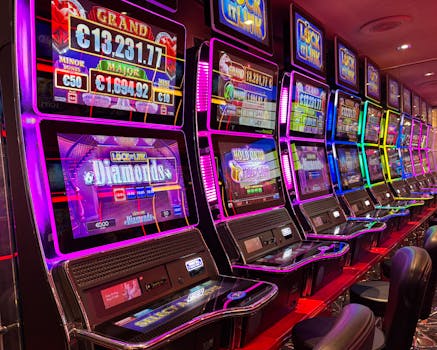
The evolution of casino entertainment into a multi-faceted leisure experience marks a significant shift in the industry, reflecting broader changes in consumer behavior and entertainment preferences. As casinos continue to diversify their offerings, they not only enhance the guest experience but also broaden their appeal to a more varied audience, ensuring their relevance in a competitive entertainment market.
This transformation into entertainment powerhouses has not occurred in isolation. It mirrors trends across other sectors where experiences and convenience are valued over traditional consumption. The integration of various forms of entertainment—ranging from high-tech gaming to live performances and gourmet dining—suggests a strategic adaptation to the growing demand for comprehensive and immersive leisure activities.
Casinos have strategically positioned themselves as all-inclusive destinations where visitors can enjoy a dynamic array of entertainment options. This approach not only captivates traditional gamblers but also attracts those who might be less interested in gambling but are drawn to the other sophisticated amenities.
.png)
Moreover, the incorporation of family-friendly activities signifies a departure from casinos' adults-only past, inviting a new demographic and fostering a more inclusive environment. This move not only broadens the market but also democratizes the space, allowing for a range of visitors, from single adults to families, to enjoy what casinos have to offer.
The synergy between technology and entertainment is particularly noteworthy. By embracing cutting-edge technologies like VR and AR, casinos are staying ahead of the curve, offering novel experiences that resonate with the tech-savvy younger generation. Additionally, the embrace of eSports not only taps into a rapidly growing spectator sport but also aligns casinos with digital entertainment trends, further broadening their appeal.
Financially, the evolution into entertainment hubs makes sound business sense. By offering more than gambling, casinos can maximize their revenue streams through dining, shows, retail, and more, reducing their reliance on gaming revenues alone. This diversification also helps stabilize the business model against economic fluctuations and changes in gambling legislation.
The broader economic impact of this transformation extends beyond individual casinos. As entertainment hubs, they generate significant employment opportunities in hospitality, retail, and entertainment sectors, contributing to local economies. Moreover, they can become pivotal in tourism strategies, attracting international visitors and promoting regional economic development.
In conclusion, the reinvention of casinos into comprehensive entertainment destinations reflects a deeper understanding of modern consumer desires and the importance of experience in the leisure industry. This trend is likely to continue, with casinos innovating further to capture the attention of a global audience. As they do so, they not only redefine what a casino can be but also actively shape the future landscape of entertainment.